
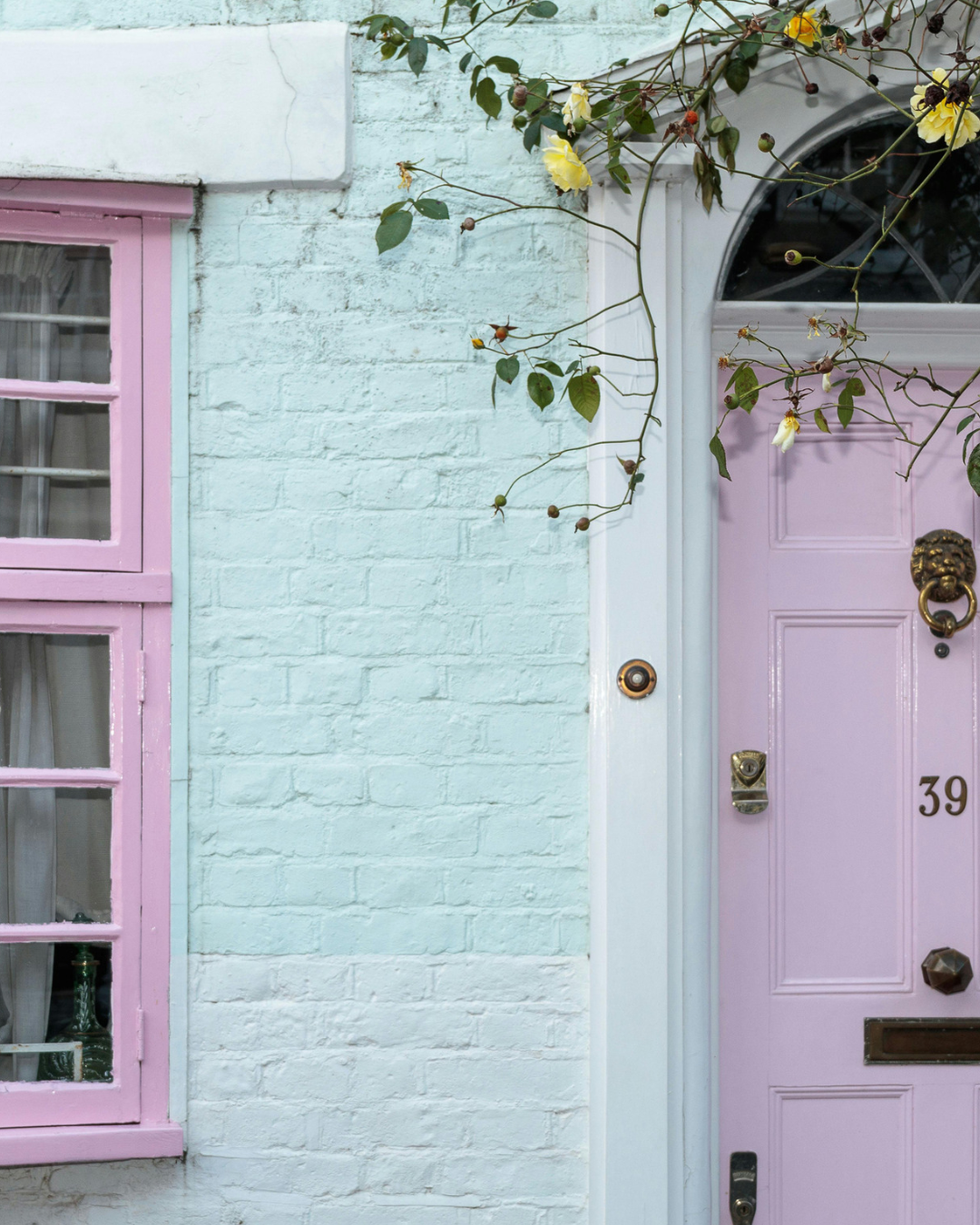
There's something about a West Kootenay character home. The tall ceilings, the fir floors, the deep front porch, the windows that catch the lake light just right. Nelson alone has hundreds of homes built more than a century ago, and Rossland and Trail have their own share of early mining-era houses.
We love these homes. We also know that what's behind the plaster matters as much as what's in front of it. Here's how to buy an older home with your eyes wide open.
Why older homes are worth considering
- Location. Older homes usually sit in established, walkable neighbourhoods close to downtown.
- Craftsmanship. Old-growth lumber, solid trim, real plaster. Some materials from that era are hard to find today.
- Character. You simply can't build the feel of a 1910 Nelson home from scratch.
- Lots. Many older properties sit on generous lots with mature trees and gardens.
The usual suspects to look for
Every older home is different, but a few issues come up again and again in Kootenay inspections.
Knob-and-tube wiring. This early wiring system was common before about 1950. It isn't automatically dangerous, but it lacks a ground, can be brittle, and was often modified over the years. Many insurers won't cover a home with active knob-and-tube, or will charge more. Budget for rewiring if it's still in use.
Old electrical panels and fuses. Older 60-amp services or certain older panel brands can be a red flag for insurers and lenders. An upgrade to 100 or 200 amps is common.
Galvanized or Poly-B plumbing. Galvanized steel pipes corrode from the inside over time. Poly-B, a grey plastic pipe used from the late 1970s to mid-1990s, has a history of failures, and some insurers ask about it. Either way, ask what the supply lines are made of.
Underground oil tanks. Many older homes were once heated with oil. Even if the furnace was replaced long ago, an old tank might still be buried in the yard. A leaking tank can be costly to remove and clean up. Ask the seller, and look for capped fill pipes or vent pipes near the house.
Foundations. Early homes may sit on stone, brick or early concrete foundations, or even on wood posts. Some have been lifted and given new foundations. Others have settled. Look for sloping floors, sticking doors and cracks.
Asbestos and lead paint. Homes built before about 1990 may contain asbestos in things like vermiculite insulation, old flooring, textured ceilings or pipe wrap. Lead paint is common in homes from before the 1960s. These materials aren't usually a problem if left undisturbed, but they matter a lot when you renovate.
Insulation and windows. Many older homes have little or no wall insulation. That affects comfort and heating bills. Ask for recent utility costs.
Heritage designations: what they mean
Some homes, particularly in Nelson, are on a community heritage register or within a heritage conservation area. That can mean extra steps if you want to change the exterior or demolish. In return, some properties may be eligible for incentives. If a home has a designation, ask the municipality what it allows before you write your renovation plans in pen.
How to buy an older home wisely
- Hire an inspector who knows older homes. Ask how many pre-1950 homes they've inspected.
- Bring in specialists when needed. An electrician, a sewer camera inspection, or a structural engineer can be worth every penny.
- Talk to your insurer before removing subjects. Make sure you can get coverage at a reasonable price.
- Get renovation quotes early. Local trades book up, especially in spring.
- Keep a contingency fund. With older homes, there's almost always a surprise.
For sellers of older homes
If you own a character home and plan to sell, a pre-listing inspection can be a smart move. You'll know what buyers will find, and you can fix key items or price accordingly. Receipts for updates like rewiring, new plumbing, roofing or a foundation lift are gold. Gather them now.
Is an old house right for you?
If you love projects and history, a character home can be deeply rewarding. If you want move-in ready with no surprises, a newer home may suit you better. Both are great choices. The key is knowing which one you're signing up for.
Falling for an old house? We've helped plenty of buyers through heritage purchases, and we know the right local inspectors and trades. Connect with us here.
Check out this article next