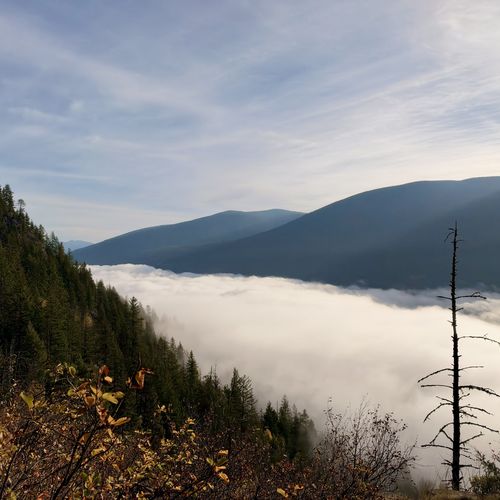
Some of the most beautiful properties in the West Kootenays sit just outside town limits. Think a few acres in the Slocan Valley, a cabin on the North Shore of Kootenay Lake, or a hobby farm near Salmo or Krestova. Many of them have something city buyers may not be used to: their own water well and their own septic system.
That's not a problem. It's just a different kind of homework. Here's what we walk our rural buyers through.
Part one: the water supply
Rural Kootenay homes get water in a few different ways:
- Drilled wells, which go deep into the ground and are generally the most reliable.
- Dug wells, which are shallower and can be more affected by surface water and dry spells.
- Surface water licences, where a home draws from a creek or spring. This is common in the Kootenays and comes with its own rules.
- Community water systems, small shared systems run by an improvement district or a group of neighbours.
Each has its pros and cons. Your first job is to find out which one you're buying.
Questions to ask about the water
- How much water does it produce? A flow test measures how many litres per minute the well can deliver over a few hours. Lenders and insurers sometimes ask for this.
- Is the water safe to drink? Get a water quality test done by an accredited lab. At a minimum, test for bacteria such as total coliforms and E. coli. Many buyers also test for things like arsenic, manganese, iron and hardness.
- Is there paperwork? Ask for the well record, which shows depth and construction. Drilled wells in BC should be registered under the province's groundwater rules.
- What's the treatment system? UV lights, filters and softeners all need regular maintenance. Ask when bulbs and filters were last changed.
- Does the water licence transfer? If the home relies on a creek or spring, confirm the licence is valid and in good standing. Your lawyer or notary can help.
Part two: the septic system
A septic system treats the household's wastewater on site. The typical setup is a tank that holds and separates solids, plus a drain field where liquid is filtered back into the soil. Some newer or tighter sites use more advanced treatment systems.
Well-maintained septic systems can last decades. Neglected ones can fail, and replacing a drain field can be very expensive.
Questions to ask about the septic
- How old is the system, and what type is it?
- When was the tank last pumped? Most households pump every three to five years.
- Are there maintenance records? Newer systems in BC are designed and installed by authorized professionals, and many come with a maintenance plan.
- Where is the drain field? You don't want to park vehicles or build a shed on top of it.
- Any signs of trouble? Soggy ground, strong odours, lush green grass over the field in a dry summer, or slow drains in the house.
We strongly recommend a septic inspection by a qualified professional as part of your subject period. A standard home inspection usually doesn't cover it in detail.
Write it into your offer
When you're buying rural, your offer should give you time to do this homework. We typically include subjects for a water quality test, a flow test and a septic inspection, along with the usual financing and home inspection subjects. Labs can take several days to return results, so build in enough time.
Living with a well and septic
Once you own it, a few habits will keep things running smoothly:
- Test your water at least once a year, and after any flooding.
- Keep grease, wipes and harsh chemicals out of the drains.
- Spread out laundry loads instead of doing them all in one day.
- Pump the septic tank on schedule.
- Know where the tank lid, well head and drain field are.
- Protect your well head from runoff, livestock and road salt.
It's worth it
Our rural clients rarely regret the move. Fresh mountain water, room to breathe, gardens, chickens and dark night skies are a big part of why people fall for the Kootenays. A bit of due diligence up front means you get to enjoy all of that with confidence.
Thinking about acreage or a rural property? We know the valleys, the questions to ask, and the local well and septic pros. Connect with us here.
Check out this article next